Understanding Diabetes: Causes, Symptoms & Management
Let’s face it – diabetes can be overwhelming. But here’s the deal: with the right approach, you can manage your diabetes and live a healthy, fulfilling life. So, what’s the first step? Understanding Diabetes, of course! As you navigate this journey, you’ll discover that it’s not just about managing blood sugar levels, but also about adopting a holistic approach to your overall health and wellness. According to the World Health Organization (WHO), diabetes is a major public health concern, and understanding its causes, symptoms, and management options is crucial for effective care.
We’ve all been there – trying to make sense of the complex world of diabetes. But don’t worry, you’re not alone. With this comprehensive guide, you’ll gain insights into the latest research and trends in Diabetes Care, including the role of artificial intelligence, the impact of COVID-19, and the benefits of plant-based diets. And, we’ll debunk common myths and misconceptions surrounding Diabetes Symptoms and Diabetes Management, so you can separate fact from fiction. For more information on managing chronic health conditions, check out our article on Cancer: Understanding the Global Health Challenge and How to Fight Back.
So, what are you waiting for? Let’s get started on this journey of Understanding Diabetes. Remember, changing habits isn’t easy, and that’s okay. It’s a process that takes time, patience, and dedication. But with the right mindset and support, you can take control of your health and well-being. The Centers for Disease Control and Prevention (CDC) offers a wealth of information on diabetes, including statistics, risk factors, and prevention strategies.
Diabetes is a condition that affects not only the individual but also their loved ones. The emotional and psychological impact of diabetes should not be underestimated, and it’s crucial to have a support system in place to help manage the condition. Whether it’s a family member, friend, or healthcare provider, having someone to turn to can make a significant difference in your journey with diabetes. For more information on managing diabetes, check out our article on Understanding Cancer: Evidence-Based Facts, Prevention, and Hope for All.
And, let’s be real – the financial implications of diabetes can be significant. The cost of medication, medical supplies, and healthcare services can be overwhelming, but there are many resources available to help individuals with diabetes, including financial assistance programs and patient advocacy organizations. The National Institute of Diabetes and Digestive and Kidney Diseases (NIDDK) provides comprehensive information on diabetes, including its causes, symptoms, and treatment options.

Table of Contents
In this article, we’ll cover the following topics:
- What is Diabetes?
- Types of Diabetes
- Causes and Risk Factors
- Symptoms and Diagnosis
- Management and Treatment
- Lifestyle Changes
- Myths vs Reality
- Key Takeaways
- Frequently Asked Questions
What is Diabetes?
Definition and Overview
So, what is diabetes? Simply put, it’s a chronic health condition that affects the way your body processes glucose, a type of sugar that serves as a primary source of energy for your cells. When you have diabetes, your body either doesn’t produce enough insulin, a hormone that regulates Blood Sugar Levels, or it becomes resistant to insulin, making it difficult for glucose to enter your cells. The American Diabetes Association (ADA) is a leading authority on diabetes, providing information on the condition, its management, and advocacy for people with diabetes.
Prevalence and Statistics
The statistics are staggering – approximately 463 million adults worldwide have diabetes, and this number is expected to increase to 578 million by 2030. In the United States alone, over 34 million people have diabetes, and it’s the seventh leading cause of death. But here’s the thing: with the right approach, you can manage your diabetes and reduce your risk of complications. According to the Mayo Clinic, diabetes is a serious health condition that requires proper care and management to prevent complications.
Understanding Blood Sugar Levels
Blood Sugar Levels play a crucial role in understanding diabetes. When you eat, your body breaks down carbohydrates into glucose, which is then absorbed into your bloodstream. In response, your pancreas releases insulin, which helps to facilitate the entry of glucose into your cells. But, when you have diabetes, this process is disrupted, leading to high blood sugar levels.
And, it’s essential to monitor your blood sugar levels regularly to ensure that they remain within a healthy range. This can be done using a glucose meter, which is a small device that measures the amount of glucose in your blood. By monitoring your blood sugar levels, you can make informed decisions about your diet, exercise, and medication, and take steps to prevent complications.
Types of Diabetes
Type 1 Diabetes
Type 1 diabetes is an autoimmune condition in which your body’s immune system attacks and destroys the cells in your pancreas that produce insulin. As a result, you’re unable to produce enough insulin to regulate your blood sugar levels. Type 1 diabetes typically develops in childhood or adolescence, although it can occur at any age.
Type 2 Diabetes
Type 2 diabetes is a metabolic disorder in which your body becomes resistant to insulin, making it difficult for glucose to enter your cells. This type of diabetes is often associated with lifestyle factors, such as obesity, physical inactivity, and an unhealthy diet. Type 2 diabetes is the most common form of diabetes, accounting for approximately 90% of all cases.
Gestational Diabetes
Gestational diabetes is a type of diabetes that develops during pregnancy, typically in the second or third trimester. It’s caused by hormonal changes and insulin resistance, which can lead to high blood sugar levels. Gestational diabetes usually goes away after pregnancy, but it increases your risk of developing type 2 diabetes later in life.
And, it’s essential to note that gestational diabetes can have serious consequences for both the mother and the baby if left untreated. High blood sugar levels can increase the risk of complications during pregnancy, such as preterm labor and birth defects. Therefore, it’s crucial to monitor blood sugar levels closely and work with your healthcare provider to develop a treatment plan that’s right for you.
Causes and Risk Factors
Genetic Factors
Genetic factors play a significant role in the development of diabetes. If you have a family history of diabetes, you’re more likely to develop the condition. Additionally, certain genetic mutations can increase your risk of developing type 1 or type 2 diabetes.
Environmental Factors
Environmental factors, such as diet and lifestyle, also contribute to the development of diabetes. A diet high in sugar, salt, and unhealthy fats can increase your risk of developing type 2 diabetes, while physical inactivity and obesity can exacerbate the condition.
Other Risk Factors
Other risk factors, such as age, ethnicity, and certain medical conditions, can also increase your risk of developing diabetes. For example, if you’re over 45, you’re more likely to develop type 2 diabetes, while certain ethnic groups, such as African Americans and Hispanics, are at higher risk of developing the condition.
And, it’s essential to note that certain medications, such as steroids and certain psychiatric medications, can increase your risk of developing diabetes. If you’re taking any medications, it’s crucial to talk to your healthcare provider about your risk of developing diabetes and take steps to manage your risk.
Symptoms and Diagnosis
Common Symptoms
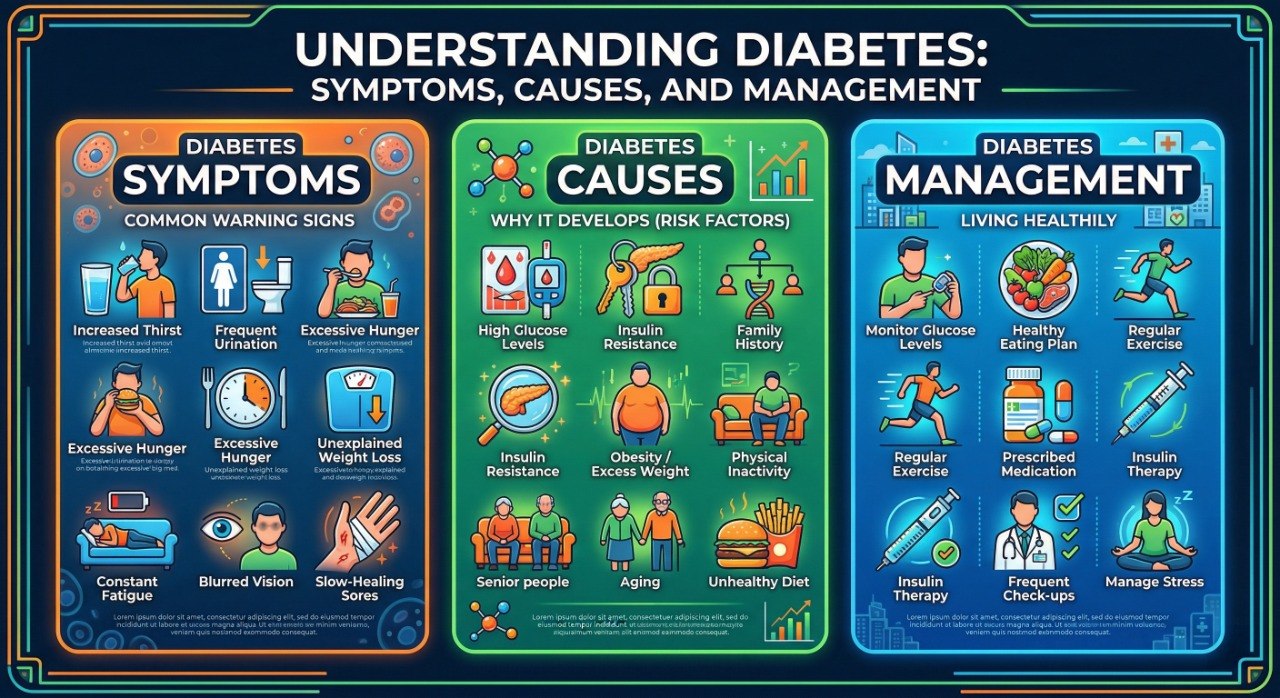
The symptoms of diabetes can vary depending on the type and severity of the condition. Common symptoms include increased thirst and urination, fatigue, blurred vision, and slow healing of cuts and wounds. In some cases, people with diabetes may not experience any noticeable symptoms, which is why regular health check-ups are crucial for early detection and treatment.
Diagnostic Tests
Diabetes is typically diagnosed through a combination of physical examination, medical history, and laboratory tests. The most common test used to diagnose diabetes is the fasting plasma glucose (FPG) test, which measures blood glucose levels after an overnight fast.
Importance of Early Detection
Early detection and treatment of diabetes are crucial for preventing complications and improving health outcomes. If you’re experiencing any symptoms of diabetes or are at risk of developing the condition, it’s essential to consult with your healthcare provider.
And, it’s essential to note that early detection and treatment can help prevent long-term complications, such as heart disease, kidney disease, and nerve damage. By managing your diabetes effectively, you can reduce your risk of developing these complications and improve your overall health and well-being.
Management and Treatment
Lifestyle Changes
Lifestyle changes, such as a healthy diet and regular exercise, are essential for managing diabetes and preventing complications. A balanced diet that’s low in added sugars and unhealthy fats can help regulate blood sugar levels, while regular physical activity can improve insulin sensitivity and reduce your risk of cardiovascular disease.
Medication and Insulin Therapy
Medication and insulin therapy may also be necessary to manage your diabetes. If you have type 1 diabetes, you’ll need to take insulin injections or use an insulin pump to regulate your blood sugar levels. If you have type 2 diabetes, you may need to take oral medications or insulin to manage your condition.
Monitoring and Adjusting
Monitoring your blood sugar levels and adjusting your treatment plan as needed is crucial for effective diabetes management. You’ll need to work closely with your healthcare provider to monitor your condition and make any necessary adjustments to your diet, exercise, or medication regimen.
And, it’s essential to note that diabetes management is a team effort. You’ll need to work closely with your healthcare provider, as well as other healthcare professionals, such as dietitians and pharmacists, to develop a comprehensive treatment plan. By working together, you can ensure that you’re receiving the best possible care and managing your diabetes effectively.
Lifestyle Changes
Healthy Eating
A healthy diet is essential for managing diabetes and preventing complications. Focus on whole, unprocessed foods, such as vegetables, fruits, whole grains, lean proteins, and healthy fats. Avoid added sugars, saturated fats, and refined carbohydrates, which can exacerbate your condition.
Regular Exercise
Regular exercise is also crucial for managing diabetes and improving overall health. Aim for at least 150 minutes of moderate-intensity aerobic exercise, or 75 minutes of vigorous-intensity aerobic exercise, or a combination of both, per week.
Stress Management
Stress management is also essential for managing diabetes and preventing complications. Chronic stress can raise your blood sugar levels and exacerbate your condition, so it’s essential to find healthy ways to manage stress, such as meditation, yoga, or deep breathing exercises.
And, it’s essential to note that stress management is not a one-size-fits-all approach. What works for one person may not work for another, so it’s essential to experiment and find what works best for you. Whether it’s reading, walking, or spending time with loved ones, make sure to prioritize stress management and take care of your mental health.
Myths vs Reality
Debunking Common Myths
There are many common myths and misconceptions surrounding diabetes. For example, some people believe that diabetes is caused by eating too much sugar, or that people with diabetes must follow a strict diet and avoid all sweets. However, these myths are not supported by scientific evidence.
Separating Fact from Fiction
It’s essential to separate fact from fiction when it comes to diabetes. By understanding the causes, symptoms, and treatment options for diabetes, you can make informed decisions about your health and well-being.
Empowering Yourself with Knowledge
Empowering yourself with knowledge is essential for managing diabetes and improving your overall health. By understanding the facts about diabetes, you can take control of your condition and make informed decisions about your care.
And, it’s essential to note that knowledge is power when it comes to diabetes management. By staying up-to-date with the latest research and trends in diabetes care, you can make informed decisions about your treatment plan and take proactive steps to manage your condition.

Key Takeaways
So, what are the key takeaways from this comprehensive guide to diabetes? Here are the most important points to remember:
- Diabetes is a serious health condition that requires proper care and management to prevent complications.
- A healthy diet and regular exercise are essential for managing diabetes and improving overall health.
- There are many resources available to help people with diabetes, including support groups, online communities, and healthcare professionals.
- Staying up-to-date with the latest research and trends in diabetes care can help individuals with diabetes make informed decisions about their health.
- Early detection and treatment of diabetes can significantly improve health outcomes and reduce the risk of complications.
Frequently Asked Questions
What are the Symptoms of Diabetes?
The symptoms of diabetes can vary depending on the type and severity of the condition. Common symptoms include increased thirst and urination, fatigue, blurred vision, and slow healing of cuts and wounds.
How is Diabetes Diagnosed?
Diabetes is typically diagnosed through a combination of physical examination, medical history, and laboratory tests. The most common test used to diagnose diabetes is the fasting plasma glucose (FPG) test, which measures blood glucose levels after an overnight fast.
Can Diabetes be Prevented?
While there is no guaranteed way to prevent diabetes, there are several lifestyle changes that can reduce the risk of developing the condition. These include maintaining a healthy weight, engaging in regular physical activity, and following a balanced diet that’s low in added sugars and unhealthy fats.
And, it’s essential to note that diabetes management is a lifelong journey. It’s crucial to be patient, persistent, and proactive in managing your condition. By working closely with your healthcare provider and staying up-to-date with the latest research and trends in diabetes care, you can take control of your health and well-being, and live a happy, healthy life with diabetes.
So, what’s next? Take the first step today, and start managing your diabetes with confidence and hope for a brighter future. Remember, you are not alone in this journey – there are many resources available to help you, and with the right mindset and support, you can overcome any challenges that come your way.
Medical Disclaimer
The information provided in this article is for educational and informational purposes only and is not intended as medical advice. Always consult with a qualified healthcare professional before making any changes to your diet, exercise routine, or health regimen. The author, Madhav Bhamardiwala, is not a licensed medical professional. Individual results may vary.