Understanding Cancer: Evidence-Based Facts, Prevention, and Hope for All
Table of Contents
- What is Cancer? The Biological Reality
- Identifying Your Risk Factors: Genetics and Environment
- Cancer Prevention: Lifestyle as Your Best Defense
- The Importance of Cancer Screening Tests
- Recognizing Cancer Symptoms: When to See a Doctor
- The Evolving Landscape of Cancer Treatment Options
- Myths vs. Reality: Debunking Common Misconceptions
- The Psychological Journey: Holistic Patient Care
- Key Takeaways and Future Directions
- Frequently Asked Questions
What is Cancer? The Biological Reality
At its heart, cancer is a disease of the genome. It kicks off when normal cells hit a glitch—a cellular mutation—and lose their internal “stop” switch. Normally, our cells have a strict blueprint: they divide only when needed and gracefully exit the stage (a process called apoptosis) when they’re damaged or old. Cancer cells? They ignore those signals. They just keep dividing and piling up into tumors. They’re basically hackers of the body, stealing nutrients and blood supply to fuel their own messy growth.
Distinguishing Between Benign and Malignant Tumors
Let’s clear the air: not all tumors are cancerous. Benign tumors are like “stay-at-home” growths; they don’t invade nearby tissue or spread to other parts of the body. They usually have a nice, clear border, which makes them a lot easier for a surgeon to go in and remove. They might be a nuisance if they’re pressing on an organ or a nerve, but they generally aren’t life-threatening. Malignant tumors are different—they’re invasive. The big scary word here is “metastasis,” which is just a fancy way of saying the cancer cells have broken off, hit the bloodstream or lymph system, and set up camp in places like your lungs, liver, or bones. That ability to travel is exactly why metastatic cancer is so much tougher to manage.
The Complexity of Cellular Mutation and Signaling Pathways
We have to remember that “cancer” is actually a massive category. With over 200 types, oncology has moved toward a really personalized approach. Whether it’s a solid breast tumor or a blood cancer like leukemia, the core issue is the same: damaged DNA causing cells to act out. When you’re understanding cancer, you’re really learning about a communication breakdown in the body. Cancer cells are total survivalists—they can make their own growth signals or even dodge the immune system’s “search and destroy” missions. The cool part? Modern medicine is getting really good at finding the specific “engine” driving a tumor and shutting it down without nuking the healthy cells around it. For deep research insights, the National Cancer Institute remains the primary U.S. federal agency for cancer research.
Identifying Your Risk Factors: Genetics and Environment
It’s the question we all ask: why some people and not others? It’s a messy mix of your genetics, your age, and the world around you. Think of your risk like a bucket—every time you’re exposed to something like smoke or radiation, you’re adding a “drop” to that bucket. When it finally overflows, that’s when cancer risk jumps up. We can’t change our genes, but we sure can control a lot of the environmental “drops.”
Inherited vs. Acquired Mutations
There’s this common idea that cancer is purely a family curse. But let’s be real: only about 5% to 10% of cancers are tied to those hereditary markers like the BRCA mutations. The vast majority of cancers are “acquired”—meaning they happen because of wear and tear on our cells over a lifetime. Your cells divide billions of times, and eventually, a copy error happens. Most of the time, the body fixes it, but carcinogens like UV rays, tobacco, or chronic stress can overwhelm those repair systems. It’s actually pretty empowering to realize this. It shifts the story from “bad luck” to an awareness of things we can actually do something about.
The Role of Chronic Inflammation and Epigenetics
Have you heard about inflammation lately? It’s a silent driver for a lot of health issues, including cancer. When your body is stuck in “high alert” mode because of poor diet, carrying extra weight, or non-stop stress, your immune system is perpetually exhausted. That constant cycle of damage and repair is prime real estate for DNA errors. And here’s a wild fact: the field of epigenetics shows that your lifestyle choices can act like light switches—they can flip cancer-promoting genes “on” or “off.” By eating anti-inflammatory foods and actually moving your body, you’re basically flipping those switches to a safer setting.
Cancer Prevention: Lifestyle as Your Best Defense
Prevention is our most powerful weapon. Tobacco is the obvious one—it causes about 25% of all cancer deaths, so if you smoke, quitting is the single best thing you could ever do for yourself. But cancer prevention is about more than just dodging bad habits; it’s about making your body a place where cancer simply doesn’t want to hang out. For evidence-based insights on lifestyle interventions, check out Harvard Health – Cancer Prevention.

Dietary Habits and Physical Activity
Limiting Alcohol and Environmental Toxins
We don’t talk about alcohol enough, but it’s a big one. Your body breaks down ethanol into acetaldehyde, which is a chemical that can actually damage your DNA. If you do drink, keep it limited. And while we’re at it, let’s talk about the environment. Wear your sunscreen, try to cut down on harsh household chemicals, and check your home for radon. These aren’t huge, life-altering tasks—they’re just small ways to stop adding “drops” to that risk bucket we talked about.
The Importance of Cancer Screening Tests
The early detection of cancer is often the difference between a minor bump in the road and a long, difficult struggle. Screenings aren’t just “extra” doctor visits; they are designed to catch things before you even feel a symptom—when the disease is small, localized, and much easier to handle. For guidance on screening guidelines, the American Cancer Society is a leading source for patient support and research updates.
Why Regular Screenings Save Lives
Tests like mammograms, Pap smears, and colonoscopies have been absolute lifesavers. They let doctors catch precancerous stuff before it even turns into a real problem. If you’re ever tempted to skip a screening, remember this: treating a tiny, contained tumor is infinitely more effective than treating one that has spread. For instance, a colonoscopy can actually find and remove a polyp before it ever becomes cancerous. That’s not just treatment—that’s true prevention.
AI and the Future of Imaging
We’re living in a pretty cool time for tech. Artificial Intelligence is starting to show up in radiology, helping doctors spot things that the human eye might miss. These algorithms can scan thousands of images in a heartbeat, flagging areas that need a second look. This means that early detection of cancer is getting more accurate and accessible every day. As this tech becomes the new normal, we’re going to see even better outcomes, which is the gold standard for long-term survival.
Recognizing Cancer Symptoms: When to See a Doctor
Screening is key, but you’re the expert on your own body. If something feels “off” and it sticks around for two or three weeks, don’t just brush it off. It’s probably nothing, but it’s always worth a quick check.
Common Warning Signs to Watch For
If you notice any of these, just pick up the phone and call your doctor:
- Unexplained weight loss: Losing weight when you aren’t trying can be a sign of something going on inside.
- Persistent fatigue: I’m not talking about “I had a long week” tired. I mean the kind of deep exhaustion that sleep doesn’t fix.
- New or changing skin lesions: Keep an eye on moles that shift in color or size, or any sore that just won’t heal.
- Unusual lumps: Any new, hard mass—especially in the breast, testicles, or lymph nodes—needs a checkup.
- Persistent cough: A cough that lasts more than three weeks, especially if you’re a smoker, is a red flag.
- Changes in bathroom habits: Persistent issues with digestion or blood where it shouldn’t be? Go get it checked.
The Importance of Professional Evaluation
I know, I know—it’s easy to fall down a “cyberchondria” rabbit hole on Google. But please, don’t diagnose yourself! Only a doctor can run the biopsies and tests needed to know what’s actually happening. Never stay home out of fear; the peace of mind you get from a clean bill of health is worth it, and if it *is* something, starting early is the best head start you could ask for.
The Evolving Landscape of Cancer Treatment Options
We have moved way past the “sledgehammer” approach of the past. Oncology is now entering an era of precision medicine. We’re talking about cancer treatment options that are tailored to the specific genetic footprint of your tumor, which means we can hit the cancer harder while leaving your healthy cells alone.
Immunotherapy and Targeted Therapies
Immunotherapy is honestly like science fiction come to life. We’re teaching your own immune system to wake up and recognize cancer cells as the invaders they are. It’s been a game-changer for cancers that used to be considered “untreatable.” Then there are targeted therapies, which act like smart bombs—they block the specific signals telling the cancer to grow, sparing the rest of your body the worst of the side effects.
Standard Treatments: Surgery, Chemotherapy, and Radiation
Don’t get me wrong—the “classics” like surgery, chemotherapy, and radiation therapy are still the backbone of a lot of treatment plans. Surgery can often cure a cancer if it’s caught early enough. And while chemotherapy gets a bad rap, it’s still incredibly effective at killing fast-dividing cells. Often, doctors use a mix of these tools, like shrinking a tumor with chemo before a surgeon removes it. It’s all about using the right tool for the right job to get you back to your life.
Myths vs. Reality: Debunking Common Misconceptions
There’s so much bad info floating around out there. Let’s bust a few myths so you can focus on what actually matters.
Myth: Cancer is always hereditary.
Reality: Nope. Most of the time, it’s not in your DNA. Only a small fraction of cancers are passed down through families. Most are the result of life, aging, and environment. Don’t assume you’re safe because your parents were, and don’t panic if they weren’t.
Myth: Superfoods can cure cancer.
Reality: I love a good kale salad, but no “superfood” is going to replace chemotherapy or surgery. Nutrition is a great support pillar, but it’s not a substitute for evidence-based medicine. Please, use your diet to stay healthy, not to replace your doctor.
Myth: Biopsies cause cancer to spread.
Reality: This is a classic myth, but it’s totally false. Biopsies are done with incredibly precise techniques to make sure everything stays put. They are a necessary step in saving your life, not a risk factor.
The Psychological Journey: Holistic Patient Care
A cancer diagnosis is a massive blow to the mind, not just the body. The anxiety and the “what-ifs” are real, and you shouldn’t feel like you have to just “tough it out.” Your mental health is a legitimate part of your treatment plan.
The Importance of Support Networks
You shouldn’t be doing this alone. Whether it’s your partner, a best friend, or a support group where people just “get it,” having a network is huge. Stress hormones can actually affect your immune system, so taking care of your head space is literally part of taking care of your body. Plus, hearing from others who have walked this path can give you practical tips you’d never find in a textbook.
Integrating Palliative Care
Palliative care has a branding problem. People think it’s only for the end, but it’s actually for anyone dealing with a serious illness. It’s all about managing the pain, the nausea, and the stress so you can focus on actually living your life. It should be part of the conversation from day one, not a last resort.
Key Takeaways and Future Directions
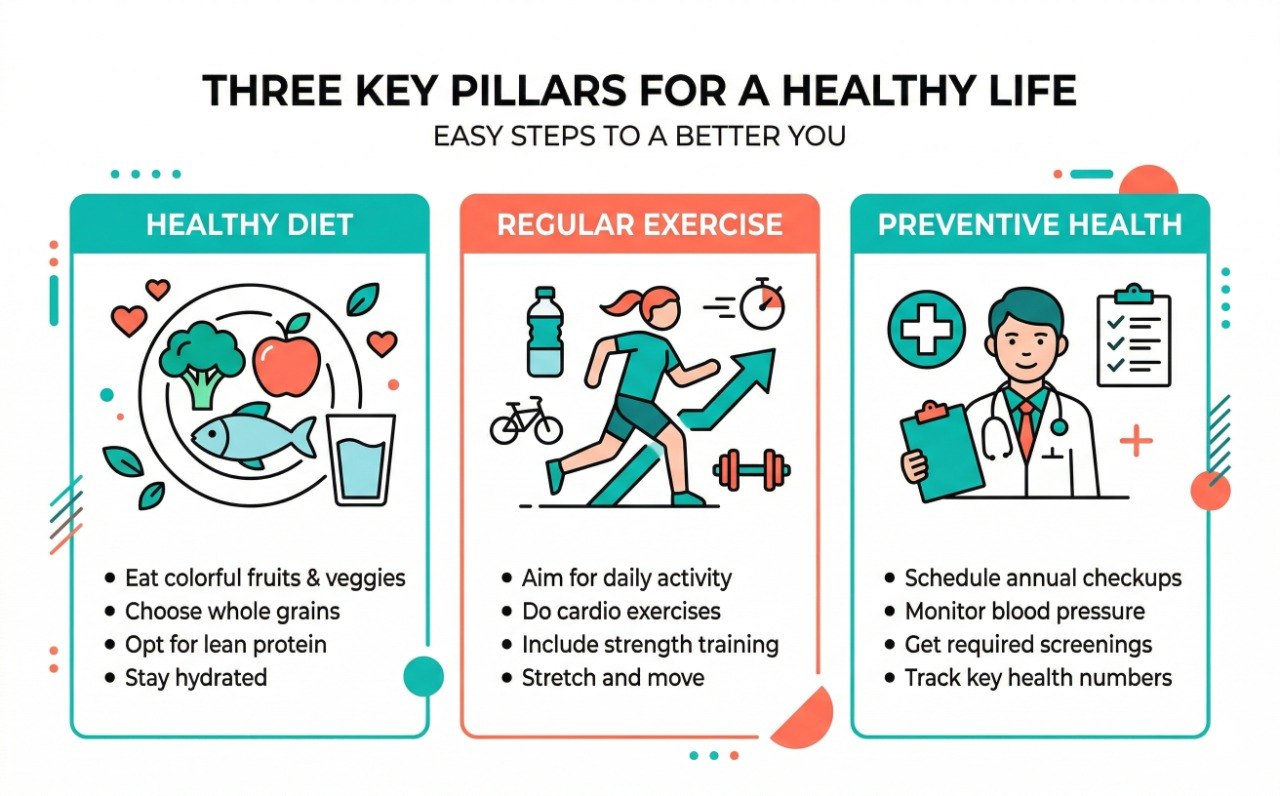
We’ve covered a lot, but if you take nothing else away, just remember that understanding cancer is the first step in taking control. The science is moving at breakneck speed, and the future is looking better every year.
- Prevention is Paramount: Quit the tobacco, eat the greens, and keep moving. Your body will thank you.
- Screening is Vital: Don’t skip those appointments. Catching it early is the best way to handle it.
- Personalized Care: We’re in the age of precision—work with your team to find what works for your specific genetics.
- Holistic Support: Take care of your mind as much as your body. Surround yourself with people who lift you up.
- Trust Verified Sources: Stick to the pros like the American Cancer Society or the National Cancer Institute. Avoid “medical advice” from random social media accounts.
Frequently Asked Questions
What is the difference between benign and malignant tumors?
Benign tumors are non-cancerous “stay-at-home” growths. Malignant tumors are cancerous and have the potential to invade other tissues and spread to other parts of the body.
Can stress cause cancer?
There’s no direct link, but chronic stress can wreck your immune system and lead to unhealthy habits like smoking or poor eating, which *do* increase your risk.
What are the most common symptoms of cancer?
It really depends on the type, but look out for unexplained weight loss, constant fatigue, changes in your skin, or any new lumps that don’t go away.
Is cancer contagious?
Not at all. You cannot catch cancer like a cold or the flu through casual contact.
How can I reduce my risk of getting cancer?
Keep a healthy weight, stay active, eat whole foods, avoid tobacco, limit your alcohol, and show up for your recommended screenings!
⚕️ Medical Disclaimer
The information provided in this article is for educational and informational purposes only and is not intended as medical advice. Always consult with a qualified healthcare professional before making any changes to your diet, exercise routine, or health regimen. The author, Madhav Bhamardiwala, is not a licensed medical professional. Individual results may vary.
Your health is your most valuable asset. By understanding cancer, you’re not just reading a post—you’re getting the tools to make better choices every single day. Whether it’s finally booking that check-up, adding more color to your dinner plate, or just being a little more in tune with how you feel, your actions truly matter. Stay proactive, keep your chin up, and remember that there is so much hope in modern medicine. If this helped you, please share it with your people. Together, we can keep the community healthier and more informed.
If you are interested to know more about cancer as a global threat and how we can prevent it to happen.