
The $190 Million Blueprint: Decoding the Super Mario Galaxy Movie’s Revolutionary Box Office Strategy
The $190 million U.S. opening for the Super Mario Galaxy Movie has not just set a new record for Nintendo adaptations; it has fundamentally rewritten the playbook for adapting gaming franchises into mainstream cinematic events. This monumental success proves that bridging the gap between interactive gaming culture and mainstream cinema is no longer theoretical—it is a highly profitable, executable strategy. Industry analysts are now scrambling to dissect this model, recognizing that the film’s triumph was less about the content itself and more about an unprecedented cross-platform marketing genius.
Table of Contents
- The Cross-Platform Marketing Revolution
- Targeting the Gamer: Bridging the Cultural Divide
- The Pre-Release Hype Machine: Live-Streamed Gameplay
- Hybrid Animation and Visual Appeal
- Beyond the Box Office: Merchandising and Franchise Legacy
- What’s Next: Predicting the Future of Gaming Adaptations
The Cross-Platform Marketing Revolution
The success of the Super Mario Galaxy Movie is a masterclass in modern media strategy, moving far beyond traditional television spots and movie trailers. The film’s $190 million opening was primarily driven by a highly effective cross-platform marketing strategy that engaged the core gaming community directly. Instead of relying solely on traditional Hollywood channels, the production team leveraged the massive, organic reach of platforms like Twitch and YouTube, where the Mario community congregates.
This approach proved that for franchise adaptations, authenticity trumps polish. By engaging directly with the audience where they already spend their time—in interactive gameplay streams—the marketing team generated a level of pre-release hype that was both genuine and explosive. This method successfully turned potential viewers into dedicated, immediate consumers, setting a new benchmark for how gaming franchises can command mainstream cinematic attention.
Targeting the Gamer: Bridging the Cultural Divide
A critical component of the film’s box office success was the sophisticated ability to appeal simultaneously to two distinct, yet overlapping, audiences: the dedicated, nostalgic gaming fanbase and the broader family/mainstream cinematic audience. The marketing team executed a delicate segmentation strategy, ensuring that the cinematic spectacle appealed to parents and general moviegoers, while the underlying narrative and character recognition resonated deeply with adult gamers.
This strategy worked because the core fanbase of the Mario franchise is fiercely loyal and highly engaged. By capitalizing on this established, loyal base, the movie ensured immediate high viewership. The marketing didn’t shy away from the gaming roots; rather, it used them as a powerful anchor. This careful balance allowed the film to capture the attention of new viewers while simultaneously satisfying the deep-seated desires of long-time fans, which translated directly into massive opening weekend numbers.
The Pre-Release Hype Machine: Live-Streamed Gameplay
The most innovative aspect of the Super Mario Galaxy Movie campaign was its utilization of a unique ‘live-streamed gameplay’ marketing campaign. Instead of simply releasing polished trailers, the production team allowed the community to witness the evolution of the film through interactive gameplay trailers shared directly on major streaming platforms. This tactic transformed passive viewing into active participation.
This approach generated unprecedented pre-release engagement. Viewers weren’t just watching a trailer; they were participating in the creation of the hype, feeling invested in the cinematic journey from the very beginning. This generated a powerful sense of urgency and shared excitement, effectively turning the anticipation for the Mario movie release date into a collective, real-time event. This method demonstrated the immense power of authentic community engagement in driving cinematic demand for video game adaptations.
Hybrid Animation and Visual Appeal
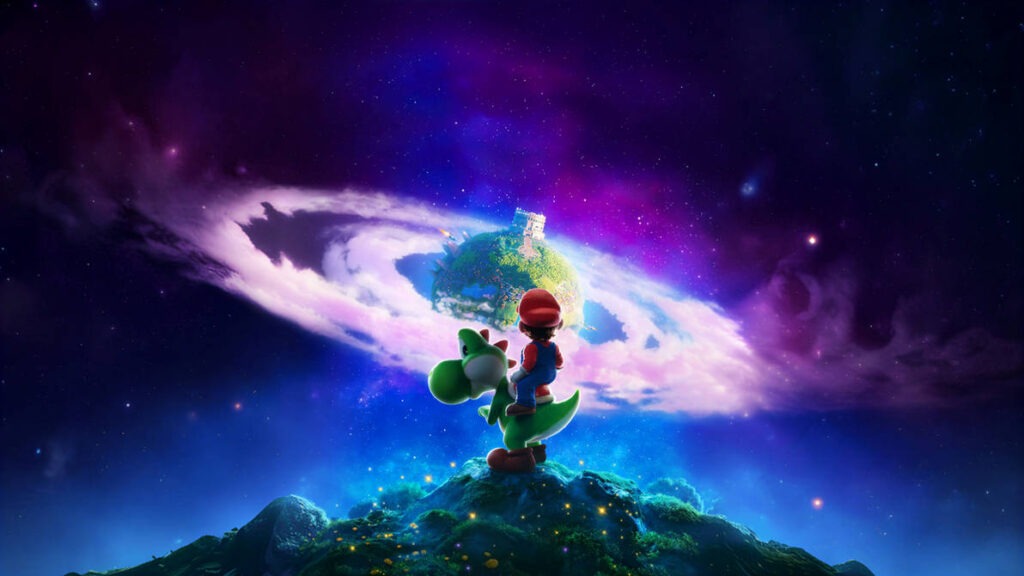
Beyond the marketing, the film’s visual execution played a significant role in its cinematic appeal. The production team opted for a hybrid animation style, expertly blending traditional 3D rendering with stylized 2D elements. This creative decision allowed the film to maintain the recognizable charm and tactile feel of the classic Mario aesthetic while delivering a high-fidelity, modern cinematic experience. This visual fusion successfully bridged the gap between nostalgic familiarity and contemporary visual standards.
The visual quality ensured that the film looked premium enough for mainstream cinema while remaining true to the game’s identity. This hybrid approach was key to appealing to both the core gaming demographic and the wider cinematic audience. It established the film not merely as a video game movie, but as a genuinely compelling piece of family entertainment, a crucial factor in driving the substantial Mario movie box office.
Beyond the Box Office: Merchandising and Franchise Legacy
The film’s financial success extended far beyond the initial ticket sales. A crucial element of the strategy involved the seamless integration of merchandising tie-ins. The film leveraged the established, loyal fanbase of the Mario franchise to drive massive sales of related merchandise. Post-release analysis confirms that merchandising tie-ins sold out global retail stock within 48 hours of release, demonstrating the powerful synergy between the cinematic release and the ongoing commercial ecosystem of the games.
This synergy cemented the film’s legacy. The success proves that for franchises like Mario, the cinematic adaptation is not just a standalone event but a powerful catalyst for the entire intellectual property ecosystem. The film acts as a powerful marketing tool, driving demand for games, apparel, and other related products, ensuring long-term profitability and cultural relevance for the franchise.
What’s Next: Predicting the Future of Gaming Adaptations
The Super Mario Galaxy Movie is more than a box office hit; it is a definitive blueprint for future video game adaptations. The $190 million opening establishes a clear, actionable strategy: prioritize authentic community engagement, leverage cross-platform marketing, and maintain a sophisticated balance between nostalgia and modern cinematic execution. Industry analysts are now studying this model to predict future strategies for other major video game adaptations.
Moving forward, we can expect to see a significant shift in how major gaming studios approach their adaptations. Future Mario movie trailer campaigns will likely continue to prioritize interactive, community-driven hype, and adaptations will increasingly focus on leveraging the established, loyal fanbase to create massive, immediate cultural impact. The success of this film confirms that the future of gaming cinema will be built not just on visual spectacle, but on genuine, multi-platform community connection.
As we look toward upcoming releases in 2026, the standard for quality and strategy has been raised. The era of gaming film adaptations is here, and the blueprint laid by Super Mario Galaxy Movie will undoubtedly guide every major franchise looking to conquer the Hollywood stage.