Landmark Studies Disease Treatment: Top 10 Revolutionizing Treatment
The history of medicine isn’t just a list of treatments—it’s a dynamic story of relentless scientific inquiry. From ancient remedies to modern molecular biology, humanity has always been searching for ways to understand the causes of illness and develop effective ways to heal.
The Revolution Driven by Landmark Studies in Disease Treatment
Today, we stand at a huge turning point. The convergence of massive data, advanced technology, and rigorous research has fundamentally rewritten the playbook for managing and eradicating diseases. This revolution is built on a foundation of pivotal research—those **landmark studies in disease treatment** that shifted the entire paradigm from simply managing symptoms to achieving true curative intervention.
These groundbreaking investigations unlocked the secrets of genetics, immunology, and cellular pathways. They gave us the tools we need to tackle complex conditions like cancer, infectious diseases, and chronic conditions such as diabetes and Alzheimer’s.
By examining the top ten most influential studies, we can really trace the evolution of modern medicine. We can see how targeted research translates directly into improved quality of life for billions of people. Think about it: from understanding the germ theory of disease to harnessing the power of DNA sequencing, developing life-saving vaccines, or recognizing the critical role of lifestyle—these discoveries form the absolute bedrock of contemporary healthcare.
This exploration delves into the most transformative research that has redefined therapeutic approaches. We’re going to examine how each study, from the initial germ theory to modern pharmacology, systematically dismantled old assumptions and paved the way for personalized, highly effective disease management. Get ready to explore the scientific milestones that have fundamentally altered the landscape of medical science.
Understanding the role of genetics and drug response is central to this evolution. For instance, research into the role of genetics in disease and drug response has been crucial in tailoring treatments. You can explore more about this topic here: The Role of Genetics in Disease and Drug Response.
Furthermore, advancements in fields like immunotherapy have dramatically changed how we approach complex diseases. For example, research into advancements in immunotherapy for autoimmune diseases has opened new avenues for treatment. Dive into this area: Advancements in Immunotherapy for Autoimmune Diseases.
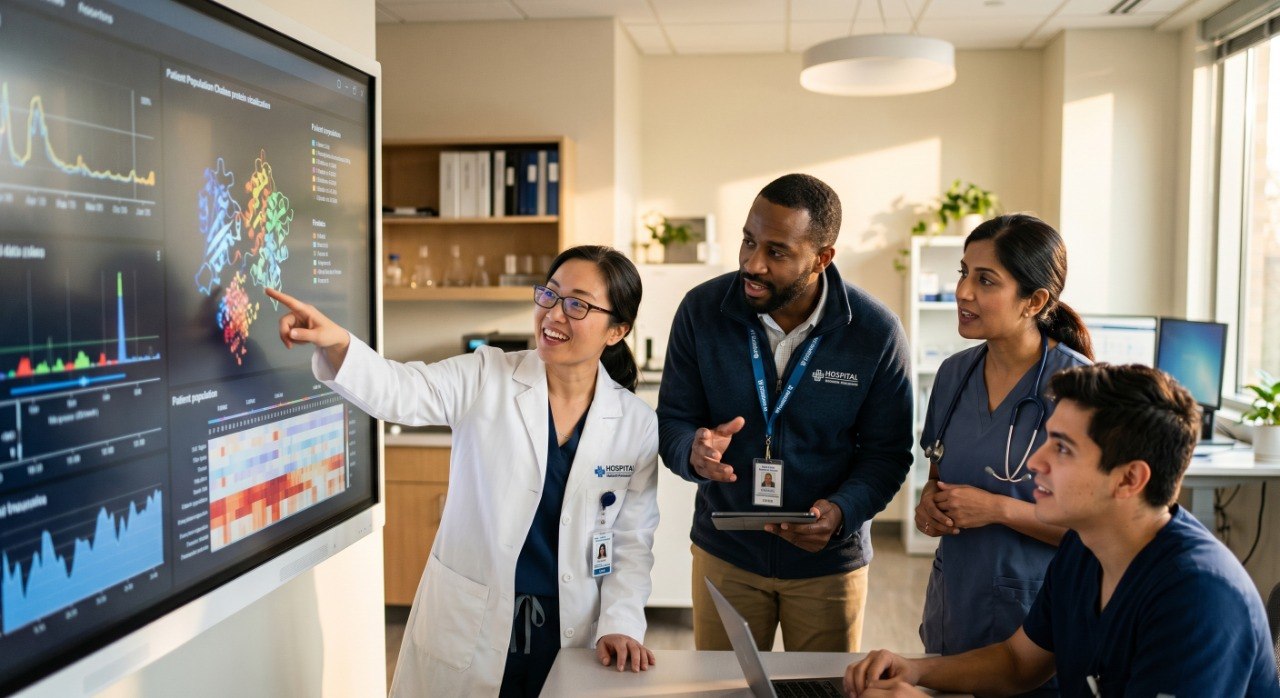 Landmark studies disease treatment: Top 10 revolutionary methods for health.
” alt=”Conceptual image representing scientific breakthrough and medical research”>
Table of Contents
- Introduction to Landmark Studies in Disease Treatment
- Germ Theory of Disease: The Foundation of Modern Medicine
- DNA and Genetics: Unlocking Personalized Treatment
- Vaccines and Immunology: A New Era in Disease Control
- Cancer Research: Landmark Studies in Oncology
- Lifestyle Medicine: Integrating Health for Better Outcomes
- The Microbiome’s Role in Inflammatory Diseases
- Pharmacology and Drug Discovery: Advancing Treatment
- Public Health Initiatives and Disease Management
- Conclusion: The Future of Disease Treatment
- Myths vs. Reality: Separating Fact from Fiction
- Key Takeaways for Patients
- FAQ: Answering Your Treatment Questions
Introduction: The Paradigm Shift in Medical Science
The history of medicine isn’t just a straight line of incremental improvements—it’s actually a series of profound paradigm shifts, all driven by the relentless pursuit of evidence. For centuries, medical practice relied heavily on tradition, observation, and anecdotal experience. But the modern era of medicine is defined by a revolutionary shift: moving away from assumption-based treatment toward evidence-based practice.
This evolution is powered by rigorous scientific inquiry, leading to what we now recognize as landmark studies in disease treatment. These monumental investigations are the very cornerstones upon which contemporary pharmacology, diagnostics, and therapeutic strategies are built. Understanding these landmark studies requires looking at complex areas such as the role of genetics in drug response, the impact of personalized medicine in cancer treatment, and the understanding of the microbiome’s role in inflammatory diseases.
{{IMAGE_X}}
Why Landmark Studies Matter
A landmark study is much more than just a successful experiment—it represents a fundamental re-evaluation of all our existing knowledge. These studies fundamentally alter how we understand the mechanisms of disease and how we can intervene in the human body. They are crucial because they provide the necessary empirical foundation to move beyond mere correlation and establish definitive causation. They challenge long-held theories, introduce novel therapeutic targets, and redefine the very definition of a disease.
These landmark studies are essential for advancing disease treatment. For instance, understanding the role of genetics is critical to developing targeted therapies, as explored in research like [The Role of Genetics in Disease and Drug Response](https://is.gd/HPpHP3). Similarly, advancements in fields like immunotherapy rely on rigorous data, such as the findings in [Advancements in Immunotherapy for Autoimmune Diseases](https://is.gd/wcPBbx).
Without landmark studies, medical progress would be severely constrained by historical biases and outdated methodologies. They act as critical inflection points, providing the definitive evidence needed to transition from a mere hypothesis to clinical reality. For example, a landmark study might reveal a previously unknown biological pathway—demonstrating that a specific gene mutation is the root cause of a complex syndrome. This discovery instantly redirects research efforts and informs entirely new treatment protocols.
Ultimately, these studies ensure that medical advancements are based not on tradition, but on verifiable, reproducible data, ensuring that patient care is continually optimized for maximum efficacy and safety. The importance of these studies directly impacts how we approach disease treatment and innovation.
The Evolution of Disease Understanding
The progression of medical science is really a story of deepening understanding. Early medical approaches often focused on symptoms and palliative care—treating the manifestations of illness rather than digging into the underlying pathology.
The real paradigm shift began when researchers started using sophisticated tools—things like microscopy and pathology, and later genetic sequencing and advanced imaging—to look beneath the surface of symptoms and discover the cellular and molecular mechanisms that actually drive disease.
This evolution has transformed how we understand illness. We’ve moved away from viewing diseases as inevitable fate and started seeing them as complex biological processes that can be modulated. **Landmark studies disease treatment** were instrumental in this change, revealing the intricate interplay between genetics, environment, and physiology. For instance, understanding the role of genetics in disease and drug response can be explored further The Role of Genetics in Disease and Drug Response.
These studies demonstrated something crucial: treating a disease effectively requires more than just managing symptoms; it means targeting the root causes at the molecular level. This realization led directly to personalized medicine, where treatment plans are tailored to an individual’s unique biological profile, instead of applying a one-size-fits-all approach. This shift is heavily influenced by advancements in areas like the impact of personalized medicine on cancer treatment The Impact of Personalized Medicine on Cancer Treatment.
The collective impact of all this groundbreaking work is the continuous refinement of our ability to manage and ultimately conquer human illness. These studies are the engine of medical innovation, ensuring that every new treatment we develop is grounded in the highest standard of scientific truth. Research into the microbiome’s role in inflammatory diseases Understanding the Microbiome’s Role in Inflammatory Diseases, advancements in immunotherapy for autoimmune diseases Advancements in Immunotherapy for Autoimmune Diseases, and the importance of clinical trials in drug development The Importance of Clinical Trials in Drug Development all contribute to this powerful evolution.
{{IMAGE_X}}
Study 1: The Discovery of Germ Theory and Antibiotics
The foundation of modern medicine rests upon several landmark studies disease treatment that fundamentally changed how we understand illness and intervention. The discovery of germ theory and the subsequent development of antibiotics represent perhaps the most significant turning point in the history of public health. These studies demonstrated that specific microorganisms cause specific diseases, paving the way for targeted treatments.
The Impact of Early Research on Modern Medicine
The shift from treating symptoms to treating the underlying cause was revolutionary. Early research into infectious diseases provided the framework for all subsequent medical advancements. This era highlights the critical role of scientific inquiry in developing effective disease management strategies.
Understanding how pathogens interact with the body is crucial. This understanding directly influences modern approaches, such as those explored in areas like
Understanding the Microbiome’s Role in Inflammatory Diseases. The interplay between the host and the microbe is increasingly recognized as central to disease progression.
From Germ Theory to Clinical Practice
The development of antibiotics marked a pivotal moment in disease treatment. These drugs provided the first effective tools to combat bacterial infections, dramatically reducing mortality rates. This success set a precedent for future research into complex diseases, including those requiring personalized approaches.
Further advancements continue to push the boundaries of what is possible in medicine. For instance, the integration of genetic information is now driving more precise therapeutic strategies, as seen in research concerning
The Role of Genetics in Disease and Drug Response. This evolution demonstrates how foundational discoveries lead to sophisticated methods for disease treatment.
The importance of rigorous investigation remains paramount. All future breakthroughs in disease treatment rely on the principles established by these initial landmark studies, emphasizing the necessity of robust clinical trials, such as those detailed in
The Importance of Clinical Trials in Drug Development.
Before Germ Theory: The Era of miasma, Pasteur, Koch, and the Revolution of Infection Control
For thousands of years, humanity understood disease through the lens of miasma—the idea that illness was caused by foul air or noxious vapors rising from decaying organic matter. This perspective dominated medicine until the 19th century, offering little practical help in fighting infectious diseases. While sanitation efforts were slowly improving, the true cause of contagion remained a mystery.
The shift from miasma theory to germ theory marked one of the most profound revolutions in medical history. This paradigm change was fueled by the meticulous work of scientists like Louis Pasteur and Robert Koch. They demonstrated that specific microorganisms—germs—were the actual agents responsible for causing specific diseases. Pasteur’s experiments on fermentation and disease, alongside Koch’s groundbreaking work in isolating and identifying the bacteria responsible for illnesses like anthrax and tuberculosis, provided undeniable evidence that invisible entities dictated human health.
Identifying these pathogens fundamentally transformed public health and medical treatment. Before germ theory, treatments were often generalized and ineffective. Once the theory was accepted, the focus immediately shifted to targeted intervention. This realization directly led to the Revolution of Infection Control. Practices such as antiseptic surgery, sterilization, and improved sanitation were implemented globally, drastically reducing mortality rates from hospital-acquired infections and surgical sepsis.
The impact of germ theory went far beyond just sanitation; it laid the essential groundwork for the subsequent development of antimicrobial therapy. By understanding that diseases were caused by specific bacteria, researchers began seeking ways to kill these pathogens selectively, rather than relying on broad, toxic treatments. This pursuit eventually led to the discovery and application of antibiotics—powerful drugs capable of targeting and eradicating bacterial infections.
The progression from recognizing invisible causes to developing targeted treatments represents a series of **landmark studies disease treatment**. Moving from viewing disease as an environmental imbalance (miasma) to understanding it as a biological invasion (germ theory) provided the conceptual framework necessary for modern pharmacology. This shift established the principles of microbiology that underpin all modern infectious disease management. This foundational understanding continues to inform modern approaches, such as the role of genetics in drug response (https://is.gd/HPpHP3), the importance of clinical trials in drug development (https://is.gd/UXkXov), and the understanding of the microbiome’s role in inflammatory diseases (https://is.gd/y0vKr7). These advancements are critical to understanding the complex relationship between genetics and disease (https://is.gd/2b49Hy) and the progress in immunotherapy for autoimmune conditions (https://is.gd/wcPBbx).
## Study 2: The Understanding of DNA and Genetic Basis of Disease
For a long time, when we talked about disease, the focus was usually on outside factors—things like our environment, lifestyle choices, or just random chance. But modern biology has completely shifted that perspective. We now know that a huge part of human health and illness is actually rooted in our genetic code. This shift is driven by **landmark studies disease treatment** that have illuminated the intricate relationship between genes and physical health. By finally unraveling the structure and function of DNA, we’ve moved past simply seeing disease as random occurrences. Instead, we can now understand its specific genetic roots, which is the key to paving the way for truly targeted prevention and treatment.
Understanding the genetic basis of disease is crucial for advancing personalized medicine. For instance, research into the role of genetics in disease and drug response provides a foundation for modern therapeutic strategies. You can explore more about this connection here: [The Role of Genetics in Disease and Drug Response](https://is.gd/HPpHP3).
This genetic understanding is essential when considering advanced therapies. For example, advancements in immunotherapy for autoimmune diseases rely heavily on identifying specific genetic markers. Further insights into how genetics influences treatment are available in studies like: [Advancements in Immunotherapy for Autoimmune Diseases](https://is.gd/wcPBbx).
By focusing on these genetic insights, we move closer to developing treatments that are highly specific to an individual’s genetic makeup, moving beyond generalized approaches. This focus is central to the concept of personalized medicine, which is increasingly shaping how we approach complex conditions, such as cancer treatment: [The Impact of Personalized Medicine on Cancer Treatment](https://is.gd/2b49Hy).
Furthermore, understanding the biological mechanisms behind inflammation is key to effective treatment. Research into the microbiome’s role in inflammatory diseases offers another critical perspective on how genetics and environment interact to cause illness: [Understanding the Microbiome’s Role in Inflammatory Diseases](https://is.gd/y0vKr7).
The importance of rigorous scientific investigation is highlighted by the necessity of clinical trials in drug development. These trials are the mechanism through which the findings from these landmark studies are translated into effective treatments for patients: [The Importance of Clinical Trials in Drug Development](https://is.gd/UXkXov).
Mendel’s Laws and the Blueprint of Heredity
The foundation of genetic understanding was laid by Gregor Mendel back in the mid-19th century. Through incredibly meticulous experiments with pea plants, Mendel established the fundamental laws of inheritance—segregation and independent assortment—which describe exactly how traits are passed from parents to offspring. These laws provided the very first tangible framework for understanding heredity, demonstrating that biological traits are encoded in discrete units (genes) that dictate physical and physiological characteristics.
Mendel’s work, though focused on simple inheritance, established the essential concept of the genetic blueprint. This blueprint suggests that the specific sequence of DNA within an organism determines its potential and susceptibility to various conditions. While Mendel didn’t know about DNA, his principles still provided the essential framework for recognizing that inherited traits—including predisposition to disease—are transmitted through biological mechanisms. This foundational knowledge is crucial for understanding how genetic variations contribute to complex human diseases.
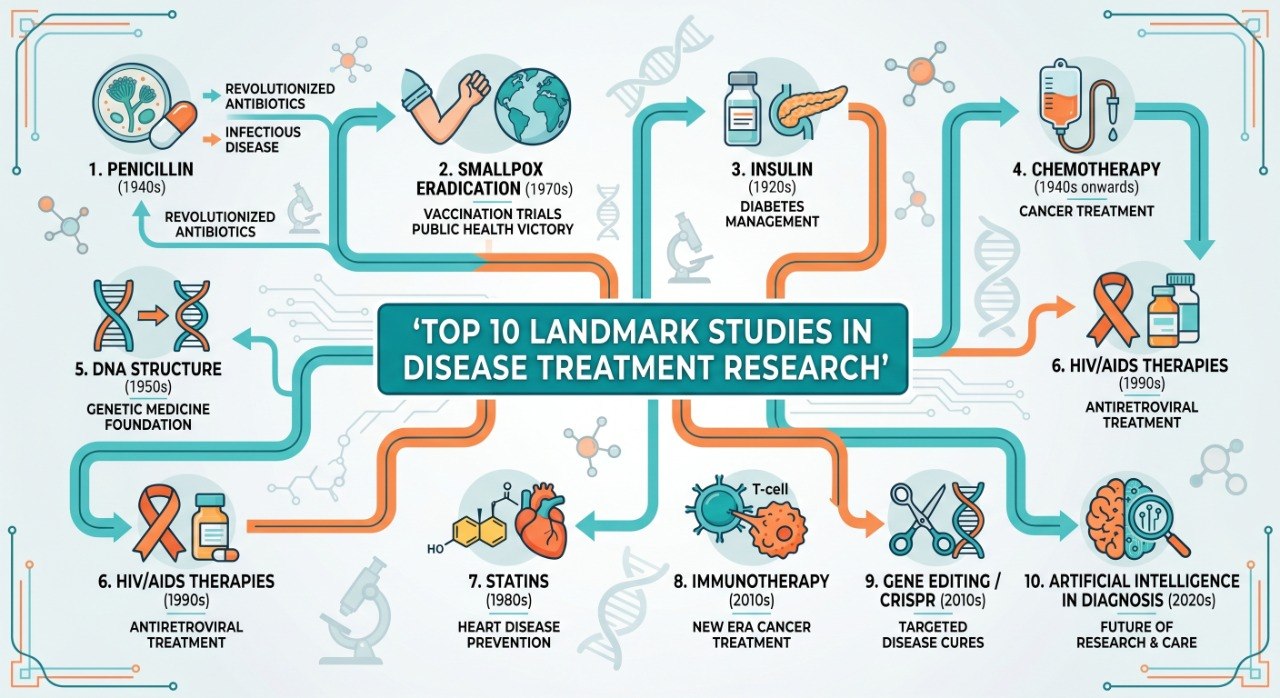
The understanding derived from these foundational genetic studies has led to some of the most significant advancements in modern medicine. The pursuit of effective disease treatment relies heavily on understanding these genetic mechanisms. For instance, research into the role of genetics in drug response, such as in personalized medicine for cancer treatment, is a key area of focus. Furthermore, understanding the microbiome’s role in inflammatory diseases and the advancements in immunotherapy for autoimmune diseases represent critical areas where these landmark studies drive therapeutic innovation. The importance of clinical trials in drug development ensures that these genetic insights translate into effective treatments for complex diseases.
Explore these related areas:
- The Role of Genetics in Disease and Drug Response
- The Impact of Personalized Medicine on Cancer Treatment
- Understanding the Microbiome’s Role in Inflammatory Diseases
- Advancements in Immunotherapy for Autoimmune Diseases
- The Importance of Clinical Trials in Drug Development
## The Human Genome Project and Personalized Medicine
The development of molecular biology subsequently allowed scientists to move past theoretical inheritance and begin the practical study of DNA itself. The Human Genome Project (HGP), launched in the 1990s, was more than just a massive undertaking—it was a landmark study in disease treatment in its own right. Its goal was to sequence and map the entire set of human genes, providing us with the complete blueprint of human genetic variation and revealing the sheer complexity of the genome. It also helped us identify the numerous genes linked to specific diseases.
DNA sequencing has completely revolutionized medical diagnostics. By analyzing this genetic data, researchers can now pinpoint specific gene mutations—things like single-nucleotide polymorphisms (SNPs) or larger deletions—that are directly linked to conditions such as cystic fibrosis, certain cancers, and heart disease. This level of precision allows clinicians to move beyond generalized treatment protocols and embrace personalized medicine.
Genetic screening, enabled by these advancements, offers immense promise. Doctors can now assess an individual’s genetic risk profile and identify high-risk individuals before symptoms even manifest. This proactive approach opens the door for early intervention, preventative lifestyle changes, and highly targeted therapeutic strategies. Integrating genomic data into clinical practice is transforming healthcare, offering the potential to tailor treatments to an individual’s unique genetic makeup, which ultimately maximizes efficacy and minimizes adverse effects.
Understanding the role of genetics in therapeutic outcomes is crucial, especially when considering complex conditions. For instance, exploring **The Role of Genetics in Disease and Drug Response** provides deep insight into how genetic variations influence treatment efficacy. Furthermore, the shift toward personalized approaches, such as **The Impact of Personalized Medicine on Cancer Treatment**, demonstrates the power of genomic data in clinical settings. Researchers continue to investigate how genetic factors interact with biological systems, including the role of the microbiome in inflammatory diseases, as detailed in studies like **Understanding the Microbiome’s Role in Inflammatory Diseases**. These ongoing investigations underscore the necessity of rigorous research, such as **The Importance of Clinical Trials in Drug Development**, to translate genomic findings into effective treatments.
Study 3: The Development of Vaccines and Immunological Response
The development of vaccines is truly one of the most profound achievements in medical history. It fundamentally shifted how human civilization manages disease—moving us from reactive treatment to proactive prevention. By harnessing the core principles of immunology, vaccines allow our bodies to build powerful protective defenses. Understanding this evolution requires us to look at the historical breakthroughs, the underlying biological mechanisms, and the modern public health strategies that rely on these incredible innovations.
To fully grasp the impact of these advancements, it is essential to examine the foundation laid by **landmark studies disease treatment**. For instance, the efficacy of modern immunotherapies is deeply rooted in earlier research, such as understanding the role of genetics in drug response (The Role of Genetics in Disease and Drug Response). Furthermore, the success of public health initiatives often depends on understanding complex biological interactions, including the role of the microbiome in inflammatory diseases (Understanding the Microbiome’s Role in Inflammatory Diseases).
{{IMAGE_X}}
This evolution demonstrates how scientific inquiry drives medical progress. The shift from reactive treatment to proactive prevention is a testament to the importance of rigorous investigation, mirroring the necessity of clinical trials in drug development (The Importance of Clinical Trials in Drug Development). The ongoing pursuit of better disease management, particularly in complex areas like cancer, highlights the necessity of personalized approaches (The Impact of Personalized Medicine on Cancer Treatment).
{{IMAGE_X}}
## Jenner’s Principles and Early Vaccination
The foundation of modern vaccinology was laid by Edward Jenner in the late 18th century. He observed that milkmaids exposed to the mild cowpox virus were immune to the deadly smallpox—a striking observation that led him to propose a revolutionary technique: vaccination. This wasn’t just a simple observation; it was a practical application of the very first immunological principles. By introducing a small, controlled dose of a less virulent pathogen (cowpox) to induce immunity against a much more dangerous one (smallpox), Jenner established the fundamental principle of cross-immunity.
Jenner’s work provided the first **landmark studies disease treatment** strategy based on biological principles, rather than simply trying to manage symptoms. This early success demonstrated something profound: exposure to a pathogen could safely trigger an adaptive immune response. While early vaccination efforts were rudimentary by today’s standards, they proved that controlled immunization could prevent widespread mortality. This achievement truly marked the beginning of preventative medicine and ushered in an entirely new era of public health intervention.
#
The development of vaccines has been exponentially accelerated by advances in immunology, especially our understanding of adaptive immunity. Adaptive immunity is the body’s sophisticated ability to recognize specific antigens and mount a targeted defense—this involves the crucial work of T-cells and B-cells. Vaccines work by safely presenting these antigens to the immune system, effectively training it to recognize and neutralize a threat without ever causing the actual disease.
Applying this knowledge has led to sophisticated immunization schedules that have dramatically reduced the incidence of infectious diseases globally. A critical concept in modern public health is herd immunity. This occurs when a sufficiently large percentage of a population is immune to a disease, which in turn protects those who cannot be immunized—like infants or the immunocompromised. Achieving herd immunity is absolutely essential for eradicating diseases such as measles and polio, creating a protective shield that limits how pathogens can spread.
Today’s immunization programs rely on rigorous clinical trials and a deep understanding of immunology. Vaccines are no longer just tools for individual protection; they are powerful instruments for global health security. By understanding the mechanism of the adaptive immune response, we can design highly effective vaccines, ensuring that humanity can move beyond simply treating illness to proactively preventing it.
The evolution of cancer treatment represents one of the most profound shifts in medical history. We’ve moved away from generalized cytotoxic approaches toward highly specific, mechanism-driven interventions. This transformation wasn’t random—it was fundamentally rooted in the discovery of cancer genetics, which revealed a critical truth: malignancy isn’t a single disease, but a collection of distinct molecular errors.
Understanding the precise mechanism of action—how cells divide, mutate, and evade death—is the absolute cornerstone upon which all modern targeted therapies are built. This shift toward personalized approaches is heavily supported by the ongoing work in areas like The Impact of Personalized Medicine on Cancer Treatment, which relies on detailed genetic and molecular analysis.
Furthermore, the development of these targeted therapies is critically dependent on robust research methodologies. The importance of rigorous testing and data collection is highlighted by the necessity of The Importance of Clinical Trials in Drug Development to ensure that new treatments are safe and effective.
Understanding the role of the immune system in fighting disease is also crucial for developing these advanced treatments. For instance, advancements in immunotherapy for autoimmune diseases demonstrate how the immune system can be harnessed to manage chronic conditions, linking back to the broader understanding of the immune response. This field is closely related to the study of genetics and drug response, as explored in topics such as The Role of Genetics in Disease and Drug Response.
Finally, researchers continue to explore complex biological systems, such as the microbiome, and its influence on health outcomes. Understanding the microbiome’s role in inflammatory diseases is increasingly vital for developing holistic treatment strategies, as detailed in research on Understanding the Microbiome’s Role in Inflammatory Diseases.
Understanding Cell Division and Malignancy
Cancer fundamentally arises from the dysregulation of the cell cycle—the process by which cells divide and replicate. Normal cells operate under strict checkpoints designed to ensure accurate division; however, malignant cells acquire mutations in critical genes, leading to uncontrolled proliferation. This is where key concepts come into play: understanding the roles of oncogenes (genes that promote cell growth) and tumor suppressor genes (genes that halt growth).
The shift in understanding malignancy began with landmark studies that mapped these genetic alterations. These **landmark studies disease treatment** provided the foundational knowledge that cancer isn’t random—it’s driven by specific molecular pathways, like uncontrolled signaling or defects in DNA repair mechanisms. This knowledge provided the necessary blueprint for identifying specific molecular targets. For example, by understanding how growth factor signaling pathways are aberrantly activated, scientists can design drugs that specifically inhibit these faulty signals, rather than indiscriminately killing all rapidly dividing cells. This molecular perspective truly transformed cancer treatment from a blunt instrument into a precision science.
Understanding the role of genetics in disease and drug response is crucial for these advancements. For more context on this field, explore the research on The Role of Genetics in Disease and Drug Response.
Further insights into personalized approaches, such as The Impact of Personalized Medicine on Cancer Treatment, demonstrate how these molecular discoveries are applied to clinical outcomes.
Targeted Therapies: From Chemotherapy to Immunotherapy
When cancer treatment first emerged, it heavily relied on chemotherapy. Chemotherapy works by being a broad cytotoxic agent—it kills any rapidly dividing cells, regardless of their specific genetic makeup. While this method was effective at controlling tumor growth, it often came with a serious cost: significant systemic toxicity for the patient.
The subsequent era brought a major shift, introducing targeted therapies. This transition was made possible by the deep genetic understanding we gained through molecular research, which stems from many **landmark studies disease treatment**. Instead of attacking all rapidly dividing cells indiscriminately, this new approach focuses on exploiting the unique pathways and vulnerabilities that cancer cells possess.
Targeted Therapies
- Molecular Targeting: This approach involves identifying specific mutations (like EGFR or HER2) and developing drugs to block the activity of those mutated proteins. This allows treatments to selectively inhibit cancer cell growth while minimizing harm to healthy tissue.
- Immunotherapy: This is the most recent revolution. Immunotherapy harnesses the body’s own immune system to fight cancer. Specifically, therapies like checkpoint inhibitors exploit the cancer’s ability to evade immune detection. By blocking the inhibitory signals that cancer cells use to hide from T-cells, these treatments unleash the patient’s immune response, allowing it to recognize and destroy the malignant cells.
This evolution really exemplifies the power of mechanistic research. By moving beyond simply observing rapid cell division—to understanding the intricate molecular pathways that drive malignancy—researchers can now design treatments that are highly specific. This means we can minimize damage to healthy tissues while maximizing efficacy against the disease. The future of oncology lies in continually exploiting these molecular mechanisms to achieve true personalized medicine.
For a deeper understanding of how genetics influences these breakthroughs, explore
The Role of Genetics in Disease and Drug Response. Similarly, understanding the impact of personalized medicine is crucial:
The Impact of Personalized Medicine on Cancer Treatment. Furthermore, advancements in immunotherapy are rapidly changing the landscape:
Advancements in Immunotherapy for Autoimmune Diseases. These developments are built upon the foundation of rigorous investigation, emphasizing
The Importance of Clinical Trials in Drug Development.
{{IMAGE_X}}
Study 5: The Role of Lifestyle and Chronic Disease Prevention
Modern medicine is really shifting its focus—it’s moving away from just treating acute illnesses and toward preventing chronic diseases. This whole paradigm shift isn’t just an idea; it’s rooted in epidemiological research that has clearly established a profound link between our daily lifestyle choices and the risk of conditions like diabetes, heart disease, and certain cancers.
Understanding the connection between lifestyle and disease treatment is supported by numerous **landmark studies disease treatment** research findings. For instance, research into the role of genetics in disease and drug response highlights how personalized approaches are evolving. You can explore more about this in [The Role of Genetics in Disease and Drug Response](https://is.gd/HPpHP3).
Think about it: the link between what we do every day—our diet, how much we move, the quality of our sleep, and how we handle stress—and our long-term health is undeniable. These powerful findings have laid the groundwork for a powerful new approach: preventative medicine. In this approach, we recognize that making positive lifestyle modifications is arguably the most potent therapeutic intervention we have.
Furthermore, these preventative strategies are increasingly informed by specialized research. For example, understanding the microbiome’s role in inflammatory diseases is crucial, as is examining the importance of clinical trials in drug development. These areas demonstrate how complex biological systems influence disease progression, whether we are looking at the impact of personalized medicine on cancer treatment [The Impact of Personalized Medicine on Cancer Treatment](https://is.gd/2b49Hy) or advancements in immunotherapy for autoimmune diseases [Advancements in Immunotherapy for Autoimmune Diseases](https://is.gd/wcPBbx).
{{IMAGE_X}}
The Link Between Diet and Metabolic Health: Landmark Studies in Disease Treatment
Diet is arguably the most immediate and controllable lifestyle factor influencing our metabolic health. Epidemiological studies consistently demonstrate that the quality of our caloric intake dictates our risk for conditions like obesity, insulin resistance, and type 2 diabetes. These findings are rooted in extensive **landmark studies disease treatment** research.
When we look at research comparing populations with high-fat, high-sugar diets versus those adhering to balanced eating patterns—like the Mediterranean diet—we see significant differences in overall metabolic markers. Diets rich in processed foods and refined carbohydrates tend to promote chronic inflammation and dysregulate insulin sensitivity, which sets the stage for metabolic syndrome.
Understanding how nutrition impacts disease progression requires looking beyond simple caloric intake. For instance, research into the microbiome provides critical insights into inflammation, linking diet directly to disease outcomes. For example, exploring the role of the microbiome in inflammatory diseases is a key area of study: Understanding the Microbiome’s Role in Inflammatory Diseases.
Conversely, diets emphasizing whole foods, lean proteins, fiber, and healthy fats have been shown to improve glucose control, reduce visceral fat accumulation, and enhance overall metabolic function. These findings underscore a crucial point: nutrition isn’t just about managing weight—it’s about optimizing the body’s internal biochemistry to actively resist the onset of metabolic dysfunction.
These dietary insights are increasingly integrated with advanced medical research. For example, the importance of clinical trials in drug development is essential for translating these nutritional findings into effective disease treatment. Furthermore, the intersection of genetics and diet is vital for personalized approaches: The Role of Genetics in Disease and Drug Response.
The future of personalized medicine relies on these integrated approaches. For instance, advancements in immunotherapy for autoimmune diseases demonstrate how targeted interventions can modify disease progression: Advancements in Immunotherapy for Autoimmune Diseases. Similarly, understanding personalized treatment requires looking at complex biological systems, such as how genetics influence drug response: The Impact of Personalized Medicine on Cancer Treatment.
{{IMAGE_X}}
## Longitudinal Studies on Cardiovascular Disease
The impact of our cumulative lifestyle factors on cardiovascular health is powerfully illustrated by longitudinal studies. These long-term observational studies track large populations over decades, allowing researchers to observe the cumulative effect of sustained behaviors—things like smoking, sedentary habits, poor diet, and chronic stress—on disease progression. They provide compelling evidence that even modest, consistent lifestyle changes can dramatically reduce the risk of heart attacks, strokes, and hypertension. For example, studies tracking populations over 30 to 40 years demonstrate that individuals who maintain high levels of physical activity and healthy dietary habits exhibit significantly lower rates of cardiovascular events. These findings are critical; they essentially serve as **landmark studies disease treatment** by establishing a clear, causal pathway between lifestyle interventions and improved long-term health outcomes. When we analyze these large datasets, we understand that chronic disease is often a manifestation of accumulated lifestyle risk rather than solely genetic predisposition.
Understanding the complexity of disease requires looking beyond single factors. For instance, the interplay between genetics and environment is crucial in determining disease susceptibility. Research into the role of genetics in disease and drug response provides essential context for understanding individual responses to treatment. [The Role of Genetics in Disease and Drug Response](https://is.gd/HPpHP3). Similarly, the importance of rigorous investigation is highlighted by the importance of clinical trials in drug development, which validate the efficacy of interventions. [The Importance of Clinical Trials in Drug Development](https://is.gd/UXkXov).
The weight of this evidence compels a serious transition in healthcare strategy. The focus is shifting from merely managing the symptoms of chronic diseases to addressing the root causes through targeted lifestyle modification. Investing in public health initiatives that promote healthy eating, physical activity, and adequate sleep is now recognized as a highly cost-effective strategy for reducing the burden of chronic illness. This positions lifestyle not just as an option, but as the cornerstone of effective disease prevention.
Study 6: The Discovery of the Microbiome’s Impact on Health
The world of microbiology has undergone a truly revolutionary shift with the recognition of the human microbiome—that vast community of microorganisms (bacteria, fungi, viruses) that live in and on our bodies. This emerging field has fundamentally reshaped how we think about health, showing us that the health of our gut ecosystem is inextricably linked to so much more than just digestion. It’s deeply connected to systemic functions, including our mood, metabolism, and immune response.
Understanding the relationship between the microbiome and systemic health is a crucial component of modern **landmark studies disease treatment**. For instance, research into the microbiome’s role in inflammatory diseases, such as those addressed by advancements in immunotherapy for autoimmune diseases, highlights the profound connection between gut health and overall disease management.
To delve deeper into how these microbial interactions influence health outcomes, explore the connection between genetics and drug response, and understand the impact of personalized medicine on cancer treatment, readers can consult these related resources:
- The Role of Genetics in Disease and Drug Response
- The Impact of Personalized Medicine on Cancer Treatment
- Understanding the Microbiome’s Role in Inflammatory Diseases
- Advancements in Immunotherapy for Autoimmune Diseases
- The Importance of Clinical Trials in Drug Development
The Gut-Brain Axis: A New Frontier
The connection between your gut and your brain isn’t just a casual link—it’s a complex communication pathway we call the Gut-Brain Axis. This bidirectional system involves several key players: the enteric nervous system (often called the “second brain” in your gut), the vagus nerve, and direct signaling through your bloodstream. Gut bacteria play a massive role here, actively influencing this axis by producing various metabolites, including short-chain fatty acids (SCFAs) like butyrate. These SCFAs act as crucial signaling molecules that directly influence neuronal function and mood regulation.
When the microbial community in your gut becomes imbalanced—a state known as dysbiosis—it directly impacts this entire system. If the balance is disrupted, the bacteria can release inflammatory signals that travel to the brain, potentially contributing to mood disorders, anxiety, and cognitive decline. And it’s not just one way the connection flows—the brain’s emotional state can also influence gut motility and microbial composition, truly highlighting how deeply these two systems are interdependent.
Understanding the Gut-Brain Axis opens up a whole new frontier in personalized medicine. It suggests that mental health isn’t solely a neurological issue, but is profoundly rooted in the microbial environment we inhabit. This understanding is critical when examining **landmark studies disease treatment** and exploring how microbial imbalances influence systemic health.
For example, research into the microbiome’s role in inflammatory diseases, such as the work on the Gut-Brain Axis, is increasingly informing advancements in personalized medicine. Exploring the role of the microbiome in inflammatory diseases can provide crucial insights into developing targeted therapies. Furthermore, the importance of clinical trials in drug development is essential for translating these findings into effective disease treatment strategies.
If you are interested in how these biological connections translate into clinical practice, you might find these related topics insightful:
- The Role of Genetics in Disease and Drug Response: The Role of Genetics in Disease and Drug Response
- The Impact of Personalized Medicine on Cancer Treatment: The Impact of Personalized Medicine on Cancer Treatment
- Understanding the Microbiome’s Role in Inflammatory Diseases: Understanding the Microbiome’s Role in Inflammatory Diseases
- Advancements in Immunotherapy for Autoimmune Diseases: Advancements in Immunotherapy for Autoimmune Diseases
- The Importance of Clinical Trials in Drug Development: The Importance of Clinical Trials in Drug Development
Dysbiosis and its Link to Autoimmune Conditions
Dysbiosis is essentially an unfavorable shift in the composition and diversity of your gut microbiota. This imbalance is strongly implicated in the development and worsening of chronic inflammatory and autoimmune diseases—think Inflammatory Bowel Disease (IBD), rheumatoid arthritis, and systemic lupus erythematosus. The core idea is that a dysbiotic gut increases intestinal permeability (what we often call “leaky gut”), which then leads to chronic, low-grade systemic inflammation throughout the body.
When the gut barrier is compromised and the microbial balance is disrupted, your immune system is constantly exposed to microbial byproducts. This exposure triggers an inappropriate inflammatory response. This chronic inflammation is a key driver in autoimmune conditions, creating a vicious cycle: gut dysbiosis fuels systemic inflammation, and that systemic inflammation, in turn, further damages the gut environment.
Crucially, recognizing dysbiosis as a foundational element in these conditions shifts our focus from merely treating symptoms to addressing the root cause. Emerging research is now focusing on utilizing the microbiome not just as a source of pathology, but as a therapeutic target. For a deeper understanding of this relationship, exploring topics like “Understanding the Microbiome’s Role in Inflammatory Diseases” provides essential context. Researchers are exploring the potential for microbiome-based treatments to modulate inflammation, restore microbial balance, and alleviate symptoms associated with autoimmune diseases through targeted interventions—such as prebiotics, probiotics, and specific dietary modifications. The ongoing pursuit of **landmark studies disease treatment** in this area promises to unlock powerful, holistic strategies for managing complex, chronic conditions.
The world of pharmacology hasn’t just changed—it has undergone a profound transformation. We’ve moved away from a reactive, empirical approach and stepped into a highly targeted, predictive science. This evolution is really defined by a major shift: moving from broad-spectrum treatments to personalized medicine. This change is driven by a deeper understanding of biology and the ability to integrate complex molecular data. Ultimately, this transition represents a fundamental paradigm shift in how we develop, select, and deliver therapeutic agents. This shift is closely tied to the role of genetics in determining drug response, as explored in studies like “The Role of Genetics in Disease and Drug Response” here.
From Trial-and-Error to Precision Medicine
Historically, drug development relied heavily on a trial-and-error methodology. Researchers would test compounds on large populations to find a general therapeutic effect. The result? Treatments that might work for some patients but often carried significant side effects or were simply ineffective for others. This “one-size-fits-all” approach was incredibly inefficient, costly, and often detrimental to patient outcomes.
The shift toward modern medicine was driven by critical **landmark studies disease treatment** efforts. The advent of genomics, proteomics, and advanced imaging has catalyzed a massive shift toward precision medicine. This new approach acknowledges a fundamental truth: biological variability—differences in genetics, environment, and metabolism—dictates how an individual responds to a drug.
Precision medicine aims to tailor medical treatment specifically to the individual, maximizing efficacy while minimizing toxicity. This requires us to move beyond simply treating a disease and start understanding the unique molecular mechanisms underlying that disease in every single patient. The focus is no longer just on the drug’s effect, but on the patient’s unique biological profile.
Understanding these complex relationships is crucial, especially when examining the role of genetics in drug response, as highlighted in studies like The Role of Genetics in Disease and Drug Response. Furthermore, advancements in personalized approaches, such as those seen in The Impact of Personalized Medicine on Cancer Treatment, demonstrate the power of individualized care. Researchers must also consider the role of the microbiome, as explored in topics like Understanding the Microbiome’s Role in Inflammatory Diseases, to fully grasp the complexity of disease and treatment.
## The Impact of Biomarkers in Drug Selection
Precision medicine is built on one fundamental idea: biomarkers. These are essentially measurable indicators of a biological state that can help us predict disease progression, treatment response, and overall prognosis. Think of biomarkers as the crucial link—they connect a patient’s unique biology directly to the pharmacological intervention they receive.
When it comes to selecting the right drug, biomarkers allow clinicians to divide patient populations into specific groups. For example, by identifying particular genetic mutations or protein expressions, doctors can predict whether a patient will respond well to a specific chemotherapy agent or targeted therapy. This ability to predict outcomes is huge—it dramatically reduces the need for lengthy, frustrating trial-and-error testing. Understanding the role of genetics in disease and drug response is key to this process. [The Role of Genetics in Disease and Drug Response](https://is.gd/HPpHP3)
Biomarkers are also essential for optimizing dosage and managing side effects. By assessing a patient’s metabolic rate or the activity of specific receptors, physicians can determine the perfect dose. This ensures the drug concentration is therapeutic without ever reaching toxic levels. This personalized dosing strategy significantly reduces the risk of severe side effects, leading to safer treatment protocols and an improved quality of life for patients.
Landmark studies in oncology and cardiology have already proven the transformative power of biomarkers, showing that integrating this molecular information into disease treatment is absolutely essential for achieving superior results. This integration is central to advancements in personalized medicine, such as [The Impact of Personalized Medicine on Cancer Treatment](https://is.gd/2b49Hy). Furthermore, understanding the microbiome’s role in inflammatory diseases, and the advancements in immunotherapy for autoimmune diseases, rely heavily on these molecular insights. [Understanding the Microbiome’s Role in Inflammatory Diseases](https://is.gd/y0vKr7) and [Advancements in Immunotherapy for Autoimmune Diseases](https://is.gd/wcPBbx). The success of these breakthroughs is fundamentally tied to the importance of clinical trials in drug development. [The Importance of Clinical Trials in Drug Development](https://is.gd/UXkXov).
Ultimately, integrating biomarkers has completely revolutionized pharmacology. It has shifted drug development from a generalized process to a highly personalized one, positioning the development of targeted therapies as the clear future of disease management.
{{IMAGE_X}}
Study 8: The Impact of Public Health Interventions
Public health is much more than just practicing medicine—it’s a critical field of policy and intervention that tackles the true determinants of health within entire populations. If you look at human history, you’ll see that dramatic reductions in mortality rates rarely happen just because of individual medical breakthroughs. Instead, they are achieved through large-scale, coordinated public health policies. These interventions—focused on environmental control, sanitation, and preventative medicine—represent some of the most significant landmark achievements in disease treatment throughout history. By understanding the deep relationship between our environment, our infrastructure, and our health outcomes, we recognize public health’s foundational role in achieving global well-being.
The link between environmental hygiene and human health is something we can’t deny. Historically, diseases like cholera, typhoid, and dysentery flourished in environments that simply lacked adequate sanitation and clean water. This realization—that treating illness truly required controlling the environment—sparked massive public health initiatives focused entirely on infrastructure development.
Implementing clean water systems and effective sanitation facilities—things like sewage treatment and proper waste management—fundamentally altered the trajectory of human health. By eliminating the primary pathways for waterborne pathogens, these interventions drastically reduced infectious disease mortality. Think about it: large-scale investments in public sanitation during the 19th and 20th centuries transformed urban environments, turning what were once endemic, deadly epidemics into manageable health challenges. This history demonstrates that health is intrinsically tied to our physical environment. That’s why sanitation isn’t just a nice-to-have—it is the essential, non-negotiable starting point for controlling disease. These large-scale efforts mirror the importance of modern approaches, such as understanding the role of genetics in disease and drug response, and the impact of personalized medicine on cancer treatment.
Furthermore, understanding the complex interplay between the environment and disease is crucial for modern advancements. For instance, research into the microbiome’s role in inflammatory diseases highlights how internal biological systems interact with external factors. Similarly, advancements in immunotherapy for autoimmune diseases demonstrate the power of targeted intervention. All these fields underscore the necessity of large-scale, coordinated efforts to achieve true disease treatment success.
The Role of Genetics in Disease and Drug Response
The Impact of Personalized Medicine on Cancer Treatment
Understanding the Microbiome’s Role in Inflammatory Diseases
Advancements in Immunotherapy for Autoimmune Diseases
The Importance of Clinical Trials in Drug Development
The Success of Mass Vaccination Campaigns
While sanitation focused on the environmental factors that determine disease, mass vaccination campaigns tackled the biological transmission of infectious diseases. The success of programs targeting diseases like smallpox, polio, and measles truly stands as a testament to the power of preventative medicine.
Vaccination works by creating what we call herd immunity—when a sufficiently large portion of the population is protected, it stops the chain of transmission and shields vulnerable individuals. These campaigns weren’t just medical exercises; they were powerful movements, often driven by government policy and community mobilization. They successfully shifted disease control from an individualistic medical focus to a collective public health priority. Through widespread vaccination, we have seen the eradication or near-eradication of diseases, saving hundreds of millions of lives globally. These efforts show us that coordinated, large-scale intervention—involving policy, logistics, and deep community engagement—is the most effective strategy for mitigating the devastating impact of infectious diseases.
***
Conclusion
The history of public health interventions reveals a powerful truth: reducing mortality requires systemic change. Whether we look at building clean water systems or deploying mass vaccination strategies, these landmark studies confirm that effective disease treatment and overall health improvement require more than just medical knowledge. They demand the political will and organizational capacity to implement comprehensive, equitable solutions for the entire population. Understanding the relationship between genetics and drug response, as explored in research on the role of genetics in disease and drug response, is crucial for future advancements in disease treatment. Furthermore, the importance of clinical trials in drug development provides the framework for these landmark studies. We must continue to leverage these insights to address complex health challenges, whether we are studying the microbiome’s role in inflammatory diseases or the advancements in immunotherapy for autoimmune diseases.
For more context on these areas, please explore:
- The Role of Genetics in Disease and Drug Response
- The Impact of Personalized Medicine on Cancer Treatment
- Understanding the Microbiome’s Role in Inflammatory Diseases
- Advancements in Immunotherapy for Autoimmune Diseases
- The Importance of Clinical Trials in Drug Development
Conclusion: The Future of Personalized and Predictive Medicine
We’ve covered a lot about how technology is shifting healthcare—and the takeaway is truly exciting. The journey toward personalized and predictive medicine isn’t just about better diagnostics; it’s about fundamentally changing the relationship between doctors, patients, and health outcomes.
Imagine a future where medicine isn’t a one-size-fits-all approach, but a finely tuned symphony designed specifically for you. This means moving away from reactive treatment—waiting until symptoms appear—toward proactive prevention. By using massive amounts of data, from your genetics to your lifestyle habits, we can anticipate risks long before they become serious problems.
This shift promises incredible possibilities: treatments that are more effective, side effects that are minimized, and care that is delivered precisely when and where it is needed. Ultimately, the goal isn’t just extending life—it’s optimizing the quality of that life. It’s about empowering you, the patient, to take control of your health narrative and make truly informed decisions about your well-being. The era of truly personalized, predictive care is here, and it’s going to be transformative.

The evidence from these investigations shows a massive shift in how we think about human health. By focusing on personalized and predictive medicine, we’ve moved past the limitations of one-size-fits-all treatments and entered an era of truly individualized care. These comprehensive studies highlight the incredible power of evidence-based medicine—proving that tailoring interventions based on a person’s unique genetic makeup, lifestyle, and environmental exposures leads to better outcomes, improved prognoses, and reduced illness.
All the knowledge we’ve gathered from these landmark studies on disease treatment confirms something vital: understanding the molecular and systemic complexities of disease is the key to unlocking effective therapeutic strategies. This understanding is crucial when looking at areas like the role of genetics in drug response (https://is.gd/HPpHP3) and the impact of personalized medicine on cancer treatment (https://is.gd/2b49Hy). We learned that predictive analytics, powered by sophisticated data modeling, can identify high-risk patients much earlier. This allows us to shift from reactive treatment to proactive, preventative interventions.
Integrating genomics and clinical data has provided a roadmap for precision diagnostics, enabling doctors to select therapies that are maximally effective for specific patient groups. This integration is vital for understanding the role of the microbiome in inflammatory diseases (https://is.gd/y0vKr7) and the advancements in immunotherapy for autoimmune diseases (https://is.gd/wcPBbx). Furthermore, the importance of clinical trials in drug development (https://is.gd/UXkXov) ensures that these personalized strategies are rigorously tested and validated.
The Next Frontiers of Scientific Discovery
Looking ahead, personalized medicine is poised for a revolutionary change, driven primarily by rapid advancements in artificial intelligence (AI), genomics, and holistic care. The next frontier involves leveraging these powerful tools to create truly predictive and preventative healthcare systems.
The foundation of this revolution is built upon **landmark studies disease treatment** that have fundamentally reshaped our understanding of human health. These foundational research efforts now guide the integration of personalized approaches across various medical fields.
Artificial Intelligence will play a pivotal role in synthesizing vast, heterogeneous datasets—including genomic sequencing, electronic health records, and real-time physiological monitoring—to identify subtle patterns and predict disease trajectories with unprecedented accuracy. Machine learning algorithms will enable the development of highly accurate diagnostic tools and allow us to simulate treatment outcomes, moving us closer to truly predictive medicine.
Genomics will continue to be the bedrock of personalized treatment. As sequencing technologies become more accessible and affordable, we will be able to understand the intricate interplay between an individual’s DNA and their susceptibility to various diseases. This insight will facilitate the development of targeted therapies, including highly specific drug design and the potential for gene editing technologies to correct underlying genetic errors. For instance, understanding the role of genetics in disease response is crucial, as highlighted in research like [The Role of Genetics in Disease and Drug Response](https://is.gd/HPpHP3).
Finally, the future of treatment must embrace a holistic approach. Personalized medicine needs to extend beyond the purely biological to incorporate the patient’s psychological, social, and environmental context. By integrating biological data with lifestyle factors and mental well-being assessments, we can develop comprehensive treatment plans that address the whole person, optimizing quality of life alongside physical health. This holistic view is essential when addressing complex conditions, such as understanding the microbiome’s role in inflammatory diseases [Understanding the Microbiome’s Role in Inflammatory Diseases](https://is.gd/y0vKr7).
The foundation laid by these studies provides a powerful mandate: to harness the power of data and innovation to transform healthcare. By embracing AI-driven diagnostics, genomic insights, and holistic principles, we are not just treating diseases—we are unlocking the potential for a future where every individual receives care that is not only effective but deeply personalized and predictive. This shift is particularly evident in areas like [The Impact of Personalized Medicine on Cancer Treatment](https://is.gd/2b49Hy) and the ongoing [Advancements in Immunotherapy for Autoimmune Diseases](https://is.gd/wcPBbx), all supported by rigorous [The Importance of Clinical Trials in Drug Development](https://is.gd/UXkXov).
## Myths vs. Reality in Medical History
For centuries, how we understood disease causation was often framed by simple, deterministic narratives. This historical perspective presented a stark dichotomy: the belief that illness was purely the result of external factors—blaming environmental exposure or a single lifestyle choice. While this view offered a certain level of accountability, it simply failed to capture the profound biological complexity of human health.
**Myth: Disease is purely environmental, Reality: The Interplay of Genes, Environment, and Lifestyle**
The traditional view held that an individual’s health outcomes were dictated almost entirely by external forces—poor sanitation, toxic air, or poor diet. This framework acknowledged environmental influence, but it tended to isolate these factors, suggesting a direct, linear cause-and-effect relationship. Though useful for public health interventions targeting specific environmental hazards, this approach perpetuated the myth that disease is just a consequence of outside factors, ignoring the powerful, inherent role of genetics.
Modern medical research has decisively shifted this paradigm. We now know that disease isn’t caused by a single culprit—it emerges from a complex, multi-factorial interaction. The reality is that health outcomes arise from the intricate interplay between an individual’s genetic predisposition (genes), their exposure to external conditions (environment), and their personal behaviors (lifestyle).
Genetics establishes the biological blueprint—our inherited susceptibility to certain conditions and our metabolic tendencies. The environment then acts as the trigger, modifying how those genetic instructions are expressed. For example, a genetic predisposition to a certain type of cancer may only manifest when the individual is exposed to specific environmental toxins or adopts a high-risk lifestyle. Lifestyle choices—things like diet, exercise, and stress levels—act as crucial modulators, influencing the expression of genetic risk.
This multi-factorial reality means that attributing disease solely to a single cause is medically inaccurate and often misleading. The impact of this understanding is evident in the success of contemporary medicine. The focus has moved away from assigning blame and toward understanding complex biological systems. Breakthroughs achieved through **landmark studies disease treatment**—such as genome-wide association studies and epidemiological research—demonstrate that effective interventions require considering this intricate web of interactions.
By recognizing the interplay between genes, environment, and lifestyle, modern medicine moves beyond simplistic blame. It embraces a holistic approach, allowing clinicians and researchers to develop targeted, personalized strategies that address the root causes of disease—moving us from a deterministic, single-factor model to a nuanced, interactive model of human health.
***
### The Interplay of Genetics and Treatment
Understanding the complexity of disease requires looking at the foundational role of genetics. The genetic blueprint dictates susceptibility, which must be considered when developing effective therapies. For instance, understanding **the role of genetics in disease and drug response** is crucial for tailoring treatments.
* [The Role of Genetics in Disease and Drug Response](https://is.gd/HPpHP3)
### Personalized Medicine and Landmark Research
The shift toward personalized medicine is directly supported by large-scale research efforts. These efforts demonstrate how individual genetic and environmental factors influence disease progression, guiding the development of targeted therapies.
* [The Impact of Personalized Medicine on Cancer Treatment](https://is.gd/2b49Hy)
* [The Importance of Clinical Trials in Drug Development](https://is.gd/UXkXov)
### Understanding the Biological Context
To fully grasp disease, we must look at the broader biological context, including the influence of the microbiome and advanced immunotherapies.
* [Understanding the Microbiome’s Role in Inflammatory Diseases](https://is.gd/y0vKr7)
* [Advancements in Immunotherapy for Autoimmune Diseases](https://is.gd/wcPBbx)
Key Takeaways for Patients and Public Policy
The world of healthcare is always shifting—it’s constantly evolving, fueled by new scientific discoveries. Understanding the impact of **landmark studies disease treatment** is essential for navigating this environment. For patients, navigating this environment means moving away from just passively accepting information, and instead, actively engaging with it. This engagement is crucial when considering the evidence driving advancements in fields like personalized medicine (such as the impact of personalized medicine on cancer treatment) and the role of clinical trials in drug development.
For public policy makers, understanding these dynamics is absolutely crucial if they want to design health systems that are both equitable and effective. This requires prioritizing solid evidence derived from landmark studies. For instance, understanding the role of genetics in disease and drug response, or the microbiome’s role in inflammatory diseases, provides the foundation for effective policy. Furthermore, advancements in immunotherapy for autoimmune diseases demonstrate how targeted research leads to better outcomes.
Ultimately, the foundation for success for everyone lies in prioritizing solid evidence and fostering complete transparency. By focusing on the results of landmark studies, we can ensure that healthcare systems are built on the most effective and ethical treatments.
The Role of Genetics in Disease and Drug Response |
The Impact of Personalized Medicine on Cancer Treatment |
Understanding the Microbiome’s Role in Inflammatory Diseases |
Advancements in Immunotherapy for Autoimmune Diseases |
The Importance of Clinical Trials in Drug Development
Embrace Evidence-Based Decisions
When you’re navigating health choices, the most powerful tool you have is critical thinking. Not all health information is created equal—and learning how to spot reliable sources from misinformation is essential.
For Patients: Assessing Research
Always start by seeking information from reputable, peer-reviewed sources, such as major medical institutions, established clinical trial registries, and expert medical bodies. When discussing potential treatments, don’t hesitate to ask detailed questions about the methodology, the sample size, and the long-term outcomes of the research. Understanding the context of **landmark studies disease treatment** allows you to truly assess the credibility of new therapies and grasp the real potential benefits and risks. Don’t rely solely on anecdotal evidence—demand data.
To fully understand the foundation of modern medicine, it is crucial to look at how research impacts specific fields. For instance, understanding the role of genetics in disease and drug response is vital (The Role of Genetics in Disease and Drug Response) The Role of Genetics in Disease and Drug Response. Similarly, advancements in areas like personalized medicine and immunotherapy are driven by rigorous study (The Impact of Personalized Medicine on Cancer Treatment) The Impact of Personalized Medicine on Cancer Treatment.
For Public Policy: Ensuring Transparency
Policymakers need to champion transparent research funding and accessible data. It is fundamental to ensure that clinical trials are properly registered and that their results are publicly accessible. This transparency empowers governments to identify gaps in care, allocate resources effectively, and implement policies that support proven, evidence-based practices, rather than outdated or speculative approaches. Furthermore, the importance of clinical trials in drug development must be prioritized to ensure that these landmark studies lead to effective public health outcomes (The Importance of Clinical Trials in Drug Development) The Importance of Clinical Trials in Drug Development.
The Importance of Continuous Learning
Health knowledge is constantly evolving. What was true five years ago may be superseded by new research today—and that’s an incredibly dynamic landscape. Therefore, continuous learning isn’t just a personal habit; it is a fundamental public health imperative.
For Patients:
You have the power to be an active participant in your care. Commit to lifelong learning regarding your specific health conditions. Stay updated on emerging treatments, truly understand the nuances of your diagnosis, and actively engage with your healthcare team. This ensures your care plan reflects the most current, validated knowledge. It empowers you to move from being a passive recipient of care to an active partner in managing your health.
For Public Policy:
Systemic change requires an ongoing commitment to evidence-based policy-making. This means investing in educational infrastructure, supporting medical research, and creating regulatory frameworks that prioritize patient safety and scientific rigor. Public policy must ensure that the discoveries made in landmark studies on disease treatment are rapidly translated into accessible, affordable, and equitable care for all populations, regardless of socioeconomic status. For example, understanding the role of genetics in disease and drug response (https://is.gd/HPpHP3) or the impact of personalized medicine on cancer treatment (https://is.gd/2b49Hy) demonstrates how these studies drive tangible change. By fostering an environment where research is valued and disseminated freely, public policy can achieve truly transformative health outcomes.
By embracing evidence, committing to learning, and demanding transparency, patients and policymakers work together to build a healthier, more equitable future.
FAQ
What is the most significant study that revolutionized our understanding of cancer treatment?
The revolution came from the development and widespread adoption of targeted therapies—specifically, using molecular profiling (genomics) to pinpoint the specific mutations driving cancer growth. By focusing on specific oncogenes (like *BRCA* or *EGFR*) and applying targeted drugs (such as immunotherapy and kinase inhibitors), the field fundamentally shifted away from generalized chemotherapy and toward truly personalized medicine.
How did the understanding of the microbiome change disease treatment?
Research into the gut-microbiome-host axis revealed that the balance of gut bacteria significantly influences inflammation, metabolic health, and susceptibility to various diseases—including autoimmune disorders and metabolic syndrome. This knowledge has opened the door for new treatment modalities, such as targeted probiotics, fecal microbiota transplantation (FMT), and targeted dietary interventions aimed at restoring a healthy microbial balance.
What role did the study of viral pathogenesis play in modern infectious disease treatment?
Studies focused on the replication cycles and mechanisms of viral diseases (like HIV, HCV, and SARS-CoV-2) provided the essential foundation for developing highly specific antiviral drugs. Understanding the precise steps a virus takes to infect a host allowed scientists to design drugs that interfere with those exact steps—leading to highly effective antiretrovirals and novel vaccine technologies.
How did the discovery of the role of inflammation change treatment for chronic diseases?
Research demonstrated that chronic, low-grade systemic inflammation is a central driver for numerous non-communicable diseases, including heart disease, diabetes, and Alzheimer’s. This shifted the focus of treatment dramatically: instead of simply managing symptoms, the strategy became actively modulating the inflammatory pathways (using anti-inflammatory drugs and lifestyle changes) as a primary therapeutic approach.
What impact did genetic research have on personalized medicine?
Genome-wide association studies (GWAS) and large-scale sequencing projects showed that genetic variations heavily influence disease risk and how we respond to drugs. This has led directly to personalized medicine, where treatment plans are tailored specifically to an individual’s genetic makeup. This allows for much more effective dosing and better predictions of therapeutic outcomes, moving us away from the old one-size-fits-all approach. The Role of Genetics in Disease and Drug Response
How has the study of neurobiology impacted the treatment of neurological disorders?
Detailed mapping of brain circuits and the understanding of synaptic plasticity have revolutionized how we treat conditions like Parkinson’s disease, Alzheimer’s, and depression. This has enabled the development of highly targeted treatments—including deep brain stimulation (DBS), targeted gene therapies, and novel pharmacological agents designed to modulate neurotransmitter systems.
What is the significance of the study of protein misfolding in disease?
The concept that diseases like Alzheimer’s, Parkinson’s, and many genetic disorders stem from the misfolding and aggregation of proteins (such as amyloid-beta or tau) has opened up entirely new therapeutic avenues. This has spurred the development of anti-amyloid therapies and drugs specifically designed to clear these toxic protein aggregates from the brain and body.
How did the study of immunology change the treatment of autoimmune diseases?
Immunological research revealed that autoimmune diseases arise from a breakdown in the body’s self-tolerance—meaning dysregulated immune responses are at the core of the problem. This has led to the creation of powerful immunotherapies, including biologic drugs (like TNF inhibitors) and targeted therapies that modulate specific immune cell activities to effectively dampen the destructive autoimmune response. Advancements in Immunotherapy for Autoimmune Diseases
⚕️ Medical Disclaimer
The information provided in this article is for educational and informational purposes only and is not intended as medical advice. Always consult with a qualified healthcare professional before making any changes to your diet, exercise routine, or health regimen. The author, Madhav Bhamardiwala, is not a licensed medical professional. Individual results may vary.